
TORAH PROTION: MASEI
Torah Portion: Masei (מַּסְעֵי — “Journeys”)
Primary Torah Reading
📖 Numbers (Bəmidbar) 33:1 – 36:13
This portion records the 42 journeys of the children of Israel from Egypt to the plains of Moab, just before entering the Promised Land. It is both a review and a preparation, marking the end of wilderness wandering and the threshold of inheritance.
Haftarah (Prophets)
📖 Jeremiah 2:4–28
📖 Jeremiah 3:4
📖 Jeremiah 4:1–2
Theme:
These passages call Israel to remember her journey, confront unfaithfulness, and return to covenant obedience. Jeremiah echoes Masei’s message: the Father reminds His people where He led them, how He sustained them, and how forgetfulness of covenant leads to idolatry. Restoration comes through repentance and renewed alignment.
Apostolic Writings
📖 1 Corinthians 10:1–11 – Israel’s wilderness journey as instruction and warning
📖 Hebrews 3:7–19 – Learning obedience through the wilderness
📖 Hebrews 4:1–11 – Entering the rest prepared by obedience
📖 John 14:1–6 – The Messiah preparing the way and leading His people forward
Theme:
These passages reflect the spiritual parallel of the wilderness journey as preparation for rest, inheritance, and alignment of heart.
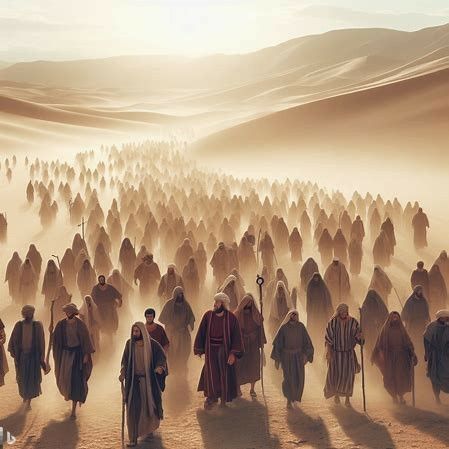
“Remembering Before Entering”
Masei teaches us that before the Father brings His people into their next season, He invites them to remember the journey. The listing of the 42 journeys is not a record of failure, but a testimony of faithfulness—His faithfulness to lead, correct, sustain, and preserve His people through every stage.
The wilderness was not punishment; it was preparation. Each encampment shaped identity, refined obedience, and revealed what had to remain behind before inheritance could be received. Masei reminds us that inheritance requires remembrance, alignment, and the willingness to release what no longer belongs in the next season.
For the remnant, Masei is a call to pause, reflect, and realign—so that what lies ahead is entered with clarity, obedience, and trust.
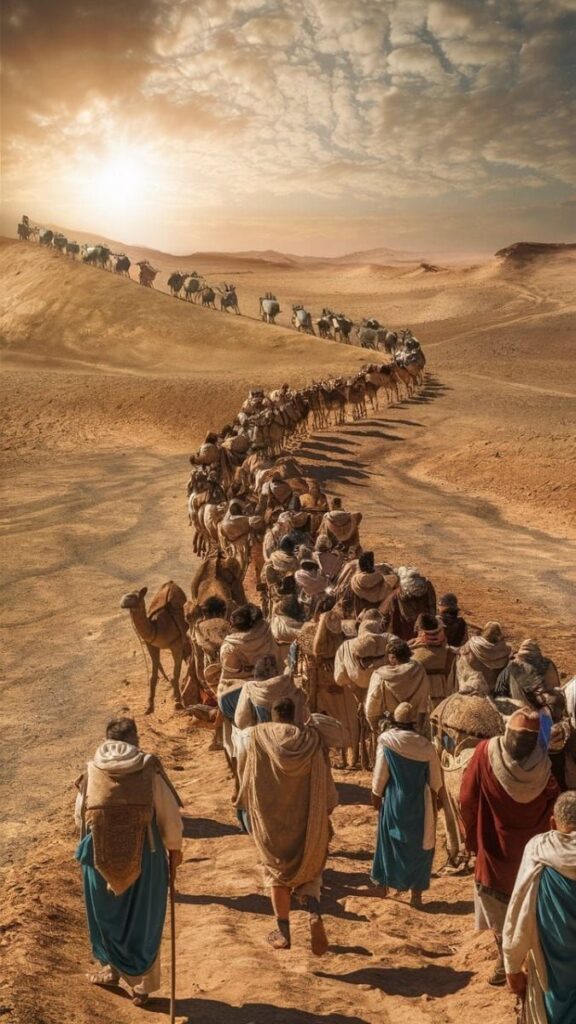
Parashat Masei: The Journey of the Remnant Bride
Parashat Masei (Numbers 33:1–36:13) recounts the 42 journeys of Israel from Egypt to the edge of the Promised Land, not as a travel log, but as a covenant testimony. Each station marks divine leadership, patient instruction, and faithful preservation. In this final portion of Bəmidbar, the Father gathers the journey into memory before ushering His people into inheritance, revealing that remembrance is essential before transition.
The Remnant Bride and the Wilderness Journey
Prophetically, the wilderness journey of Israel mirrors the path of the Remnant Bride. Like Israel, she has been led step by step through seasons of separation, discipline, and refinement, not because she was abandoned, but because she was being prepared. The listing of the journeys in Masei affirms that the Father remembers every encampment where the Bride learned dependence, obedience, and trust.
Masei reveals that before inheritance, there must be alignment. The instructions to remove foreign altars and influences from the Land speak to the Bride’s call to lay aside all compromise, mixtures, and false coverings. The Remnant Bride cannot carry Egypt into promise. She must enter purified, aware of boundaries, and anchored in covenant.
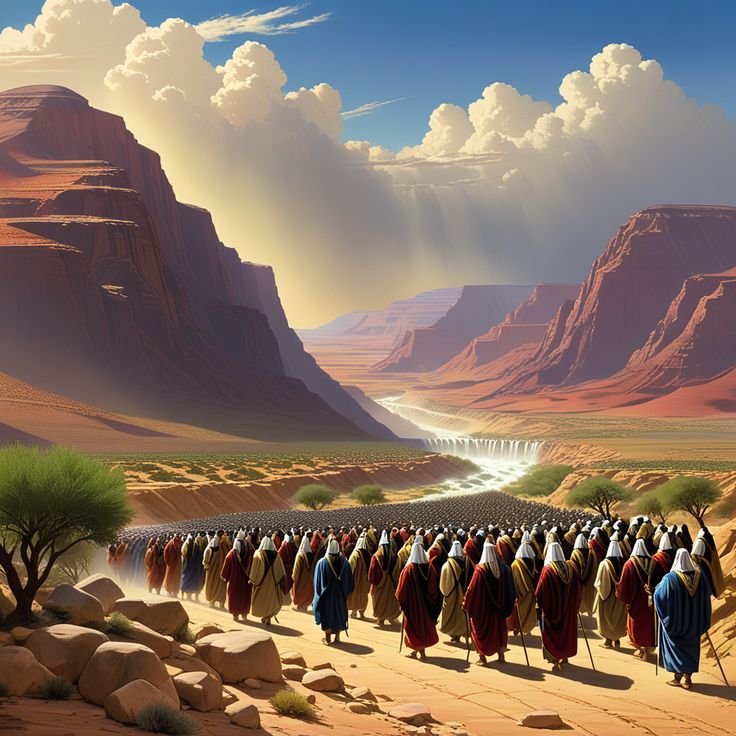
Boundaries, Identity, and Covenant Position
The defining of the Land’s borders in Masei carries deep bridal imagery. Boundaries establish identity and protect inheritance. In the same way, the Remnant Bride is marked by spiritual boundaries—clear distinctions of obedience, truth, and devotion. She does not drift; she is positioned. Her inheritance is secure because her heart is aligned.
The cities of refuge further reveal the Father’s heart for justice woven with mercy. For the Remnant Bride, this reflects spiritual maturity: compassion without compromise, grace without lawlessness, and mercy held within covenant order.
Prophetic Insight: Remembering Before Crossing Over
Masei prophetically reveals that the Father reviews the journey before releasing the next season. The Remnant Bride stands at a threshold moment where remembering becomes confirmation rather than regret. Each step of wilderness preparation has shaped her discernment, strengthened her obedience, and refined her voice.
This portion declares that wandering has ended, preparation has been completed, and the Bride is being positioned to step forward with clarity and trust. The Father is not rushing her forward; He is aligning her inwardly so that inheritance will not be lost through forgetfulness or compromise.
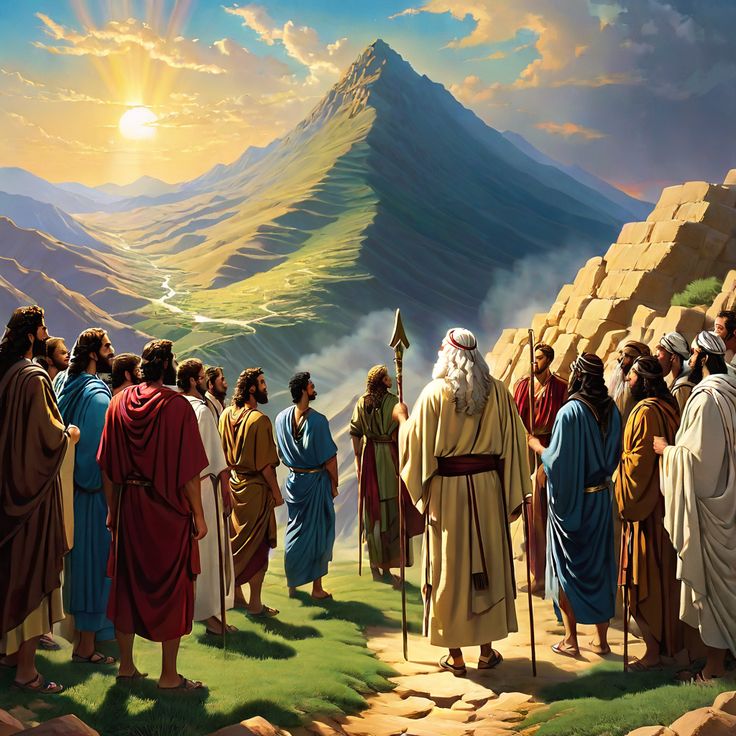
In One Line
Masei is the witness that the wilderness shaped the Bride for inheritance, and the journey itself testifies of her readiness.
Declaration for the Remnant Bride — Parashat Masei
We declare that every stage of our journey has been ordered and remembered by the Father.
We declare that the wilderness has refined us, not defeated us.
We declare that we release Egypt, remove compromise, and step forward purified.
We declare that we are the Remnant Bride, positioned within covenant boundaries and prepared for inheritance.
Closing Prayer
Father, we thank You for leading us faithfully through every season of the journey, for refining our hearts and strengthening our obedience. We ask You to help us remember each step with gratitude and to release all that no longer belongs. Align us fully as we stand at the threshold of promise, and establish us as a Remnant Bride who walks in clarity, devotion, and covenant faithfulness. Prepare us to enter what You have prepared, according to Your will and Your timing.
In the Name of our Beloved,
Yahusha HaMashiach.